Civil society organisations in Sweden are navigating increasing social fragmentation, generational divides, and declining trust in democratic processes. While dialogue initiatives are common, they do not always lead to shared ownership or concrete action. At the same time, youth engagement is often limited to consultation rather than genuine co-creation.
The Collective Imagination workshop offered a structured and transferable participatory framework that strengthens democratic facilitation and youth-engaged decision-making.
The workshop combined participatory mapping, narrative-building, negotiation practices, and future visioning to support meaningful youth involvement and shared democratic ownership.
Participants gained practical methods to design inclusive, action-oriented dialogue processes and in-depth knowledge on how to analyse power dynamics, identify participation gaps, and create inclusive spaces where diverse perspectives can be negotiated constructively.
🗓️ Friday 17 April at 09 - 15.
📍 Världskulturmuseet, Göteborg
Language: English
FOR WHOM?
Ten civil society practitioners and members of the Anna Lindh Foundation Swedish network participated in this workshop. The training strengthened the professional competence of those who shape dialogue and decision-making structures within their organisations.
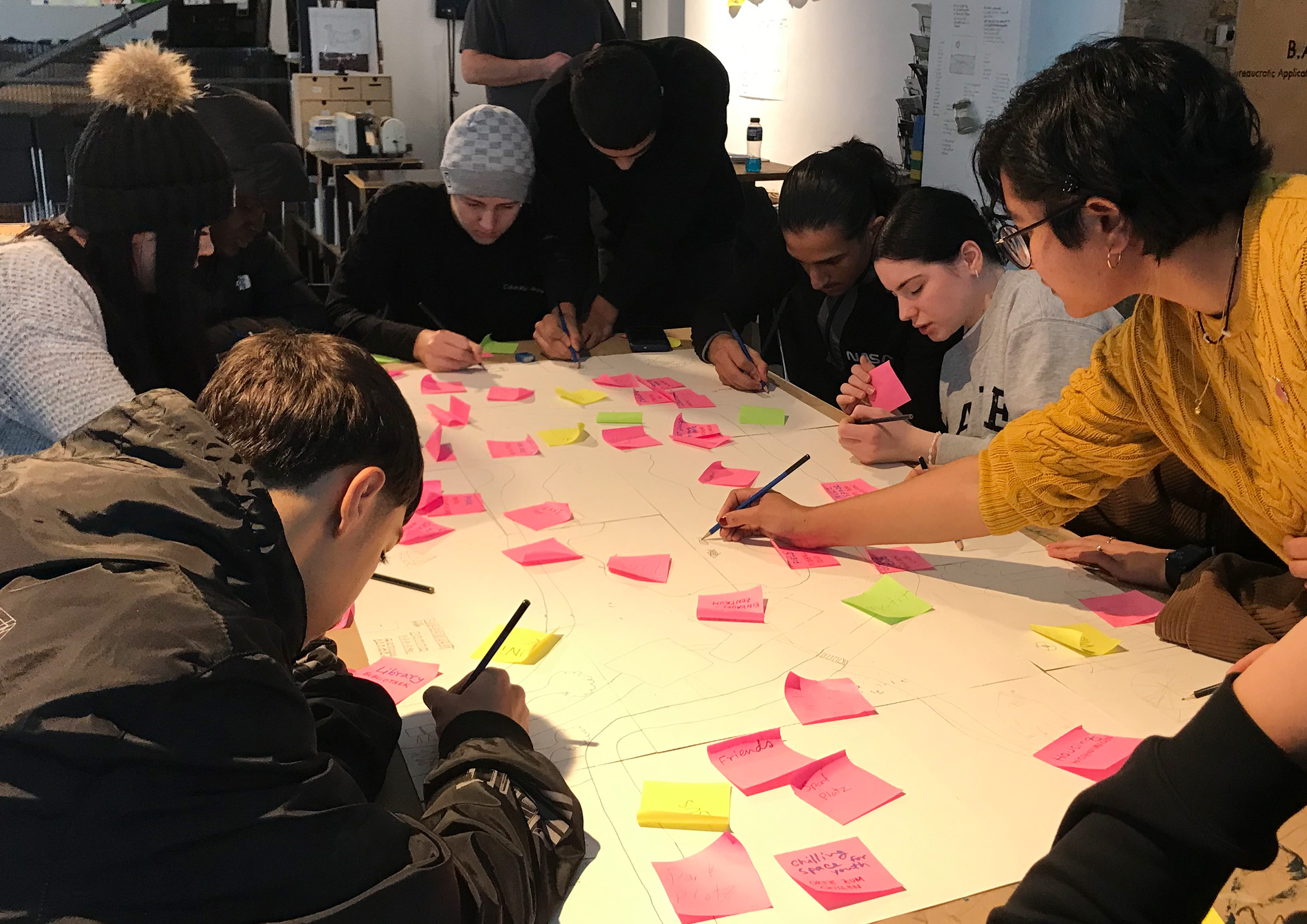
Participants began with mapping their organisational realities, identifying power dynamics, participation gaps, and areas of tension.
The workshop demonstrated how dialogue can move beyond discussion and become collective strategy.
Participants practised concrete facilitation tools that can be directly applied in youth programmes, intercultural initiatives, and internal strategy or governance processes. The workshop enhanced their ability to navigate differences constructively, foster inclusive dialogue, and transform collective reflection into shared decisions and actionable commitments.
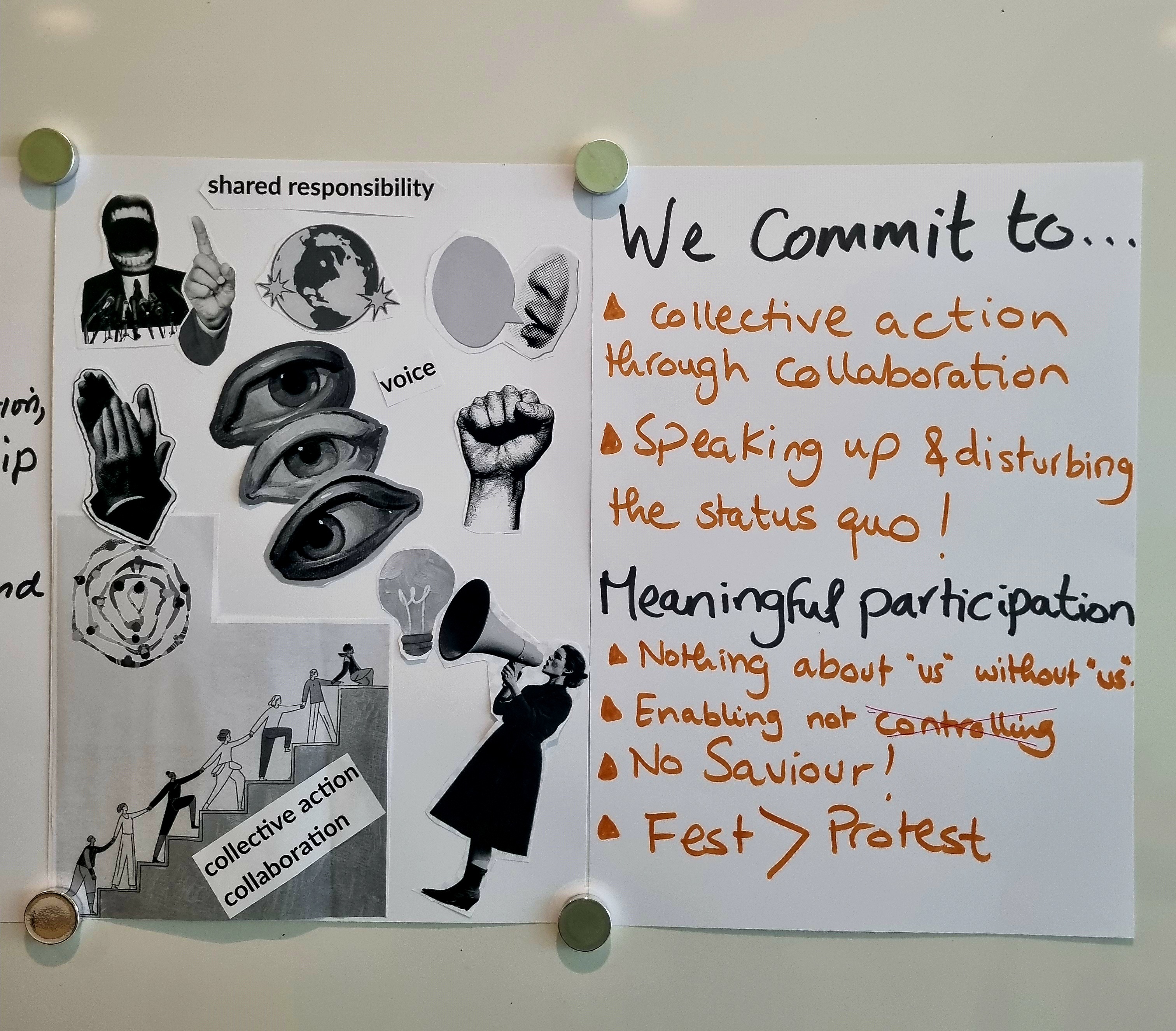
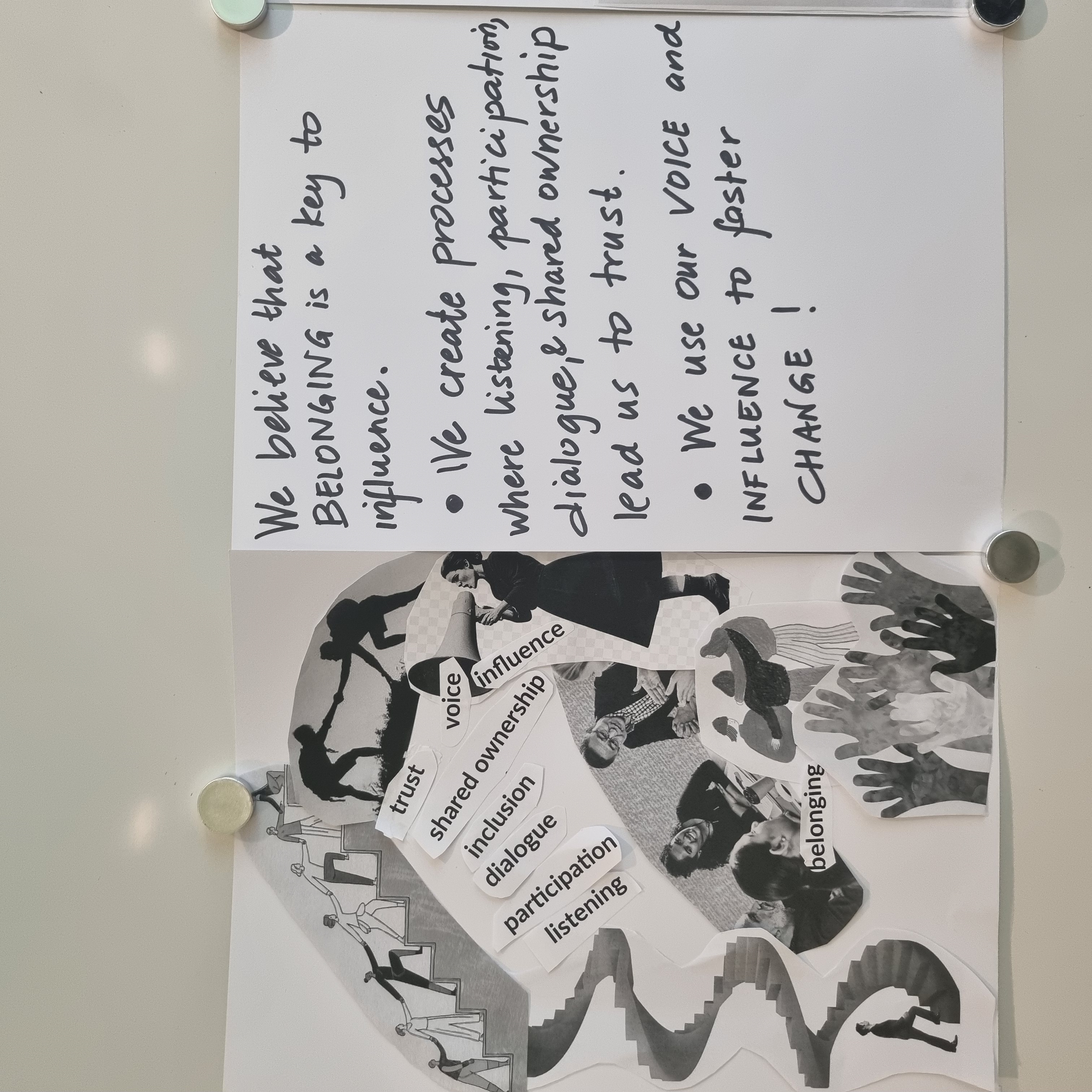
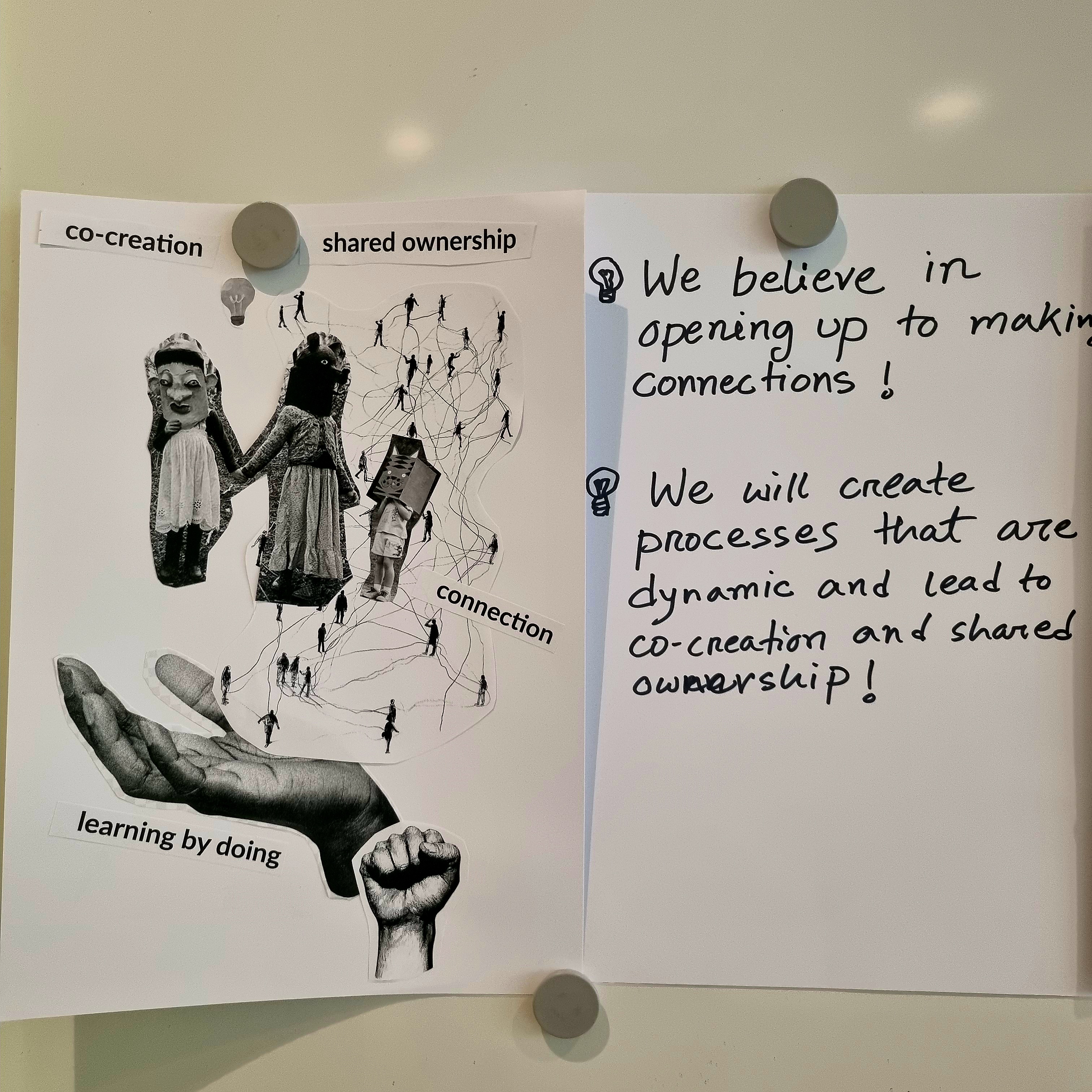
At the end, participants came up with a collective manifesto which was developed through participatory mapping, analysis of power and participation gaps, future visioning, and collective reflection. This manifesto emerged as a way of synthesising what became visible across the workshop process. In a context where participation is often reduced to consultation, it offers a framework for expressing shared values, clarifying positions, and carrying insights into practice.
AGENDA:
09:00 – 09:45 | Introduction: Theory & Discussion
Overview of participatory facilitation and collective imagination as a democratic practice.
09:45 – 10:30 | Workshop Part 1: Mapping Participation
Identifying actors and participation stages through a visual mapping exercise.
10:30 – 10:45 | Break
10:45 – 12:00 | Workshop Part 2: Power & Opportunities
Exploring power dynamics, barriers, and opportunities for participation.
12:00 – 12:45 | Lunch Break
12:45 – 13:30 | Workshop: Future Visioning
Using collective imagination to co-create possible futures for meaningful youth engagement.
13:30 – 14:15 | Workshop: Manifesto Development
Transforming ideas and visions into a collective manifesto.
14.15 – 14.30 | Coffee break
14:30 – 15:00 | Closing Session: Reflection & Evaluation
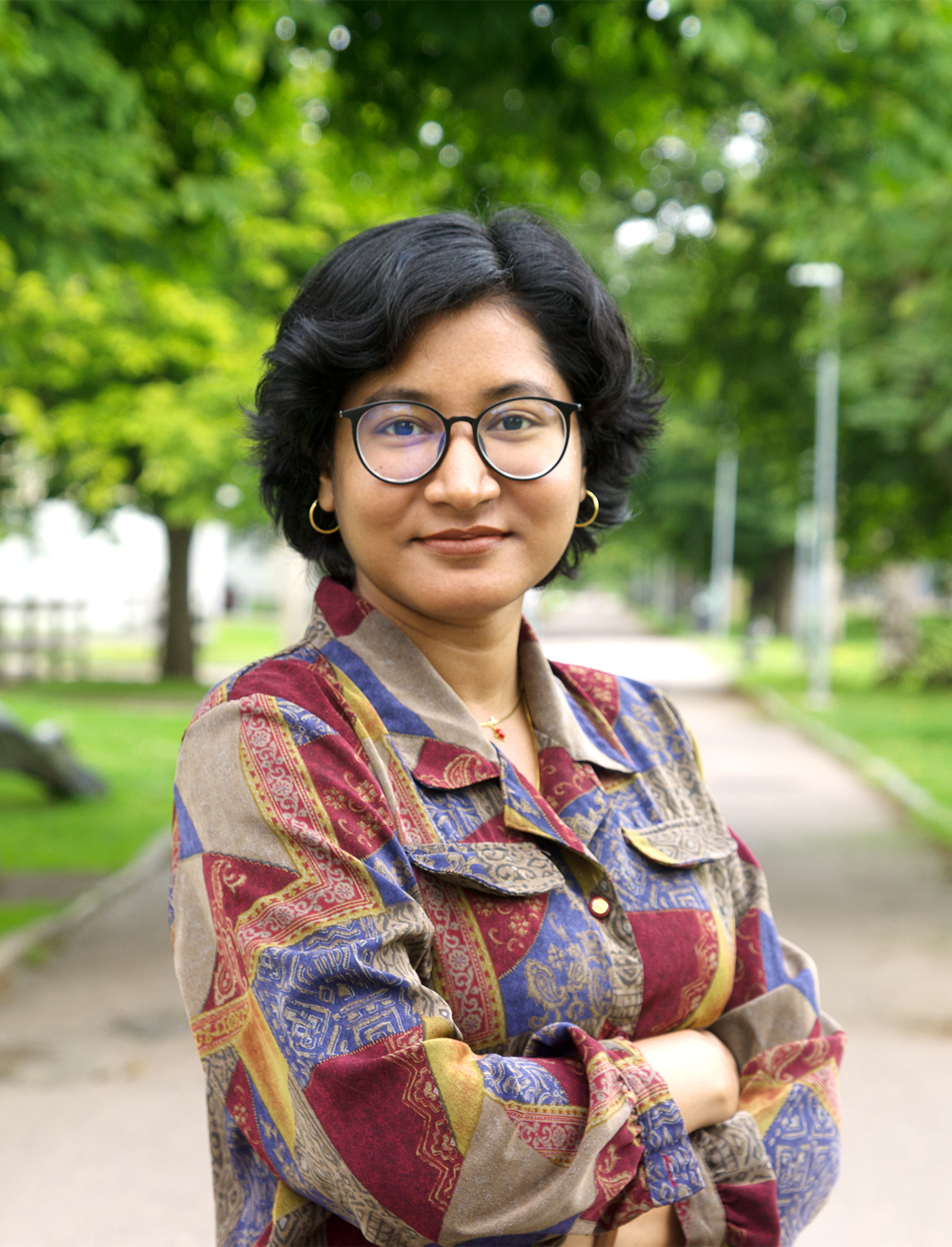
ABOUT THE TRAINER